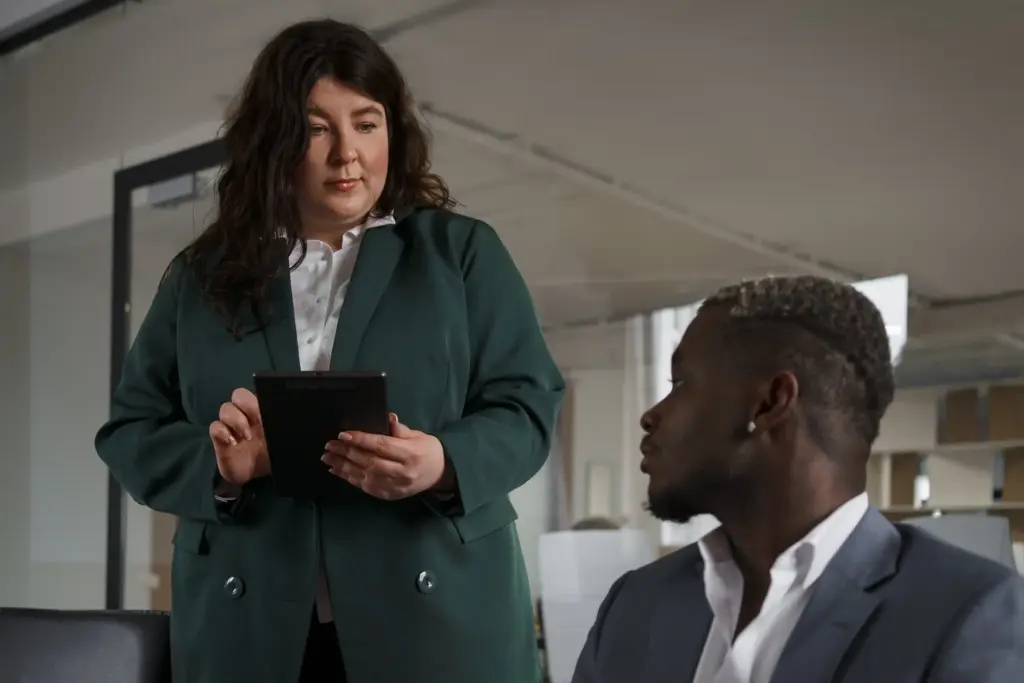
Small Simulations, Big Team Breakthroughs

We’re diving into Interactive Micro-Simulations for Team Communication and Collaboration—fast, scenario-driven exercises that transform everyday moments into focused practice. In just minutes, colleagues test choices, experience consequences, and debrief together, strengthening clarity, empathy, and alignment without derailing schedules or straining budgets. Across remote and hybrid settings, these bite-sized experiences help people speak up sooner, listen deeper, and coordinate smarter, so real projects progress faster with fewer surprises and more shared wins.

Why Short Scenarios Beat Long Trainings

Attention wanes in marathon workshops, yet complex teamwork hinges on frequent, meaningful reps. Short, realistic scenarios slip into busy calendars, encourage psychological safety, and use retrieval practice to cement skills. People remember because they do, reflect, and repeat—together.

Designing Moments That Matter

The best exercises feel uncomfortably familiar: a late change request, an ambiguous metric, a stakeholder with competing incentives. Focus on one pivotal decision, visible trade-offs, and concise prompts. Clear stakes plus concise choices create energy, empathy, and teachable friction your team will actually remember.

From Chat to Collaboration

Most teams talk a lot; fewer coordinate meaningfully. Guided scenarios transform casual chatter into shared problem-solving, revealing how handoffs, expectations, and trust actually operate. By rehearsing difficult conversations, groups move beyond updates toward mutual responsibility, clearer commitments, and pragmatic adjustments that respect constraints without sacrificing momentum.

Tools, Formats, and Facilitation

You don’t need elaborate software to start. Start with chat threads, branching documents, polls, or virtual whiteboards, then layer audio or video for richer nuance. Skilled facilitation matters most: honest framing, inclusive participation, and time-boxed debriefs that translate insights into tangible agreements, templates, and follow-up rituals.


Stories from the Field

Real teams learn fastest when practice meets pressure. In different industries and time zones, small simulations created outsized improvements: faster approvals, calmer escalations, and briefer meetings that still built shared ownership. These snapshots show how tiny experiments compound into durable collaboration habits everyone feels daily.

01

Support Team’s Five‑Minute Turnaround

A customer support crew piloted a daily five-minute scenario about prioritizing simultaneous tickets. After one week, they agreed on a clearer escalation phrase and a shared handoff note format. Average resolution time dropped, and stressful ping-pong chats vanished as agents leaned on the same simple cues.

02

Engineers Sync in Daily Standups

An engineering squad used branching prompts to practice calling out blockers without blame. The script nudged people to distinguish uncertainty from risk and request specific support. Two sprints later, carryover shrank noticeably, because issues surfaced earlier and the right reviewers paired up before code froze.

03

New Managers Find Their Voice

First-time managers rehearsed one-on-ones that balanced direction with curiosity. By practicing choices—ask, tell, or co-create—they noticed who needed clarity versus confidence. Morale scores improved, turnover risks eased, and meeting notes reflected sharper agreements as managers learned to coach without rescuing or micromanaging under pressure.

Starter Playbook You Can Steal

Begin with three scenarios: a scope change, a dependency slip, and a tough stakeholder update. Keep them under ten minutes, include debrief questions, and rotate facilitation. Republish the best runs as templates so new joiners absorb culture faster while veterans refine sharper habits together.

Pilot, Measure, Iterate

Run a small pilot with a willing team, capture baseline metrics like cycle time or meeting count, and compare after two weeks. Pair numbers with narrative notes from participants. Use findings to tune scenario relevance, pacing, and prompts until the practice feels indispensable, not performative.

Join the Community

We share new scenarios, facilitation tips, and real-world case studies in our newsletter and chats. Reply with your hardest communication knot, and we’ll craft a micro-simulation prompt you can try next week. Subscribe, comment with insights, and invite peers who value courageous, efficient collaboration.
Farixaritavokiramexo
Privacy Overview

This website uses cookies so that we can provide you with the best user experience possible. Cookie information is stored in your browser and performs functions such as recognising you when you return to our website and helping our team to understand which sections of the website you find most interesting and useful.